
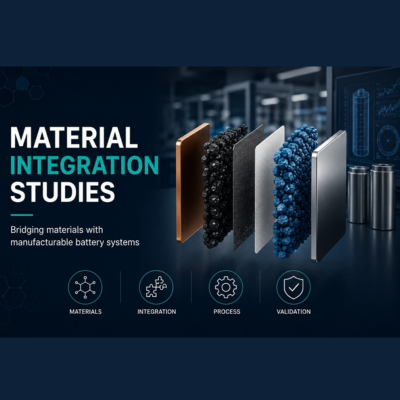
Material Integration Studies
The material integration studies evaluate how active materials, binders, conductive additives, and current collectors interact within lithium-ion battery electrodes. Our approach focuses on optimizing material compatibility, formulation design, and processing parameters to achieve stable electrochemical performance and manufacturability.
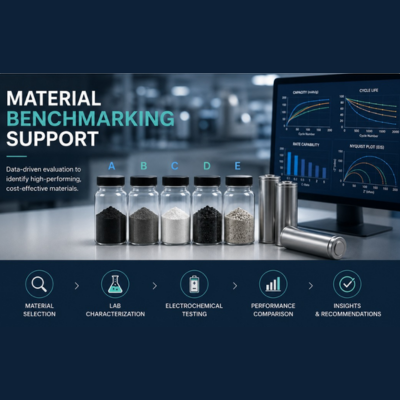
Material Benchmarking Support
Sparkolt provides material benchmarking support for advanced battery materials through systematic performance evaluation and comparative analysis. We assess cathode, anode, electrolyte, and conductive additive materials using standardized characterization and electrochemical testing protocols. Our benchmarking studies help identify performance advantages, limitations, and suitability for specific battery applications.

Manufacturing Compatibility
Manufacturing-oriented evaluation for scalable processing workflows.
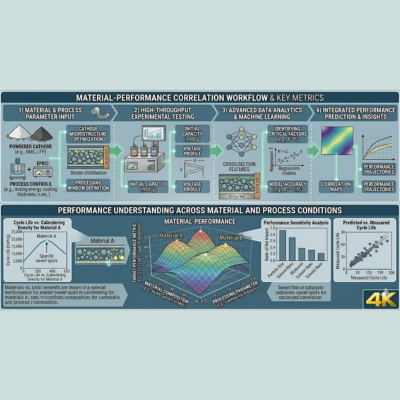
Material-Performance Correlation
Sparkolt helps establish clear links between material characteristics and battery performance. By combining material characterization with electrochemical testing, we identify the key factors influencing capacity, cycle life, rate capability, and stability. These insights enable faster material optimization and support the development of high-performance, manufacturable battery technologies.
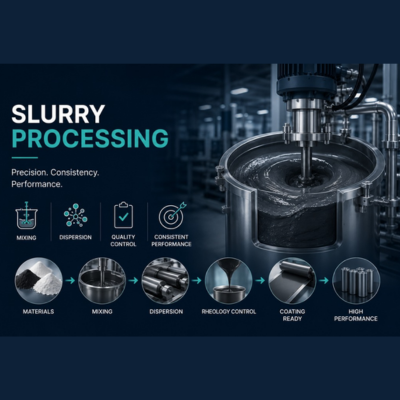
Slurry Processing
Active materials, binders, and additives are mixed to achieve a homogeneous dispersion. Optimized slurry properties ensure uniform coating quality and process consistency. Reliable slurry formulation supports enhanced battery performance and long-term stability.
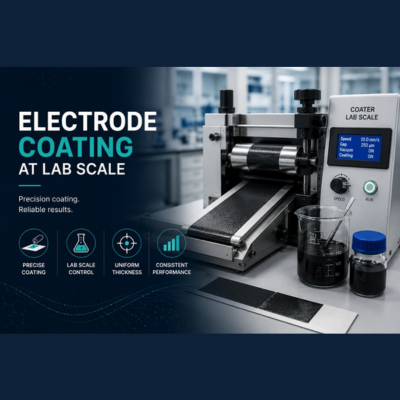
Electrode Coating
Electrode coating ensures uniform application of active materials onto current collectors. Precise coating control improves battery performance and manufacturing consistency. The process supports research, pilot-scale development, and production optimization. High-quality coatings contribute to enhanced capacity, efficiency, and cycle life.
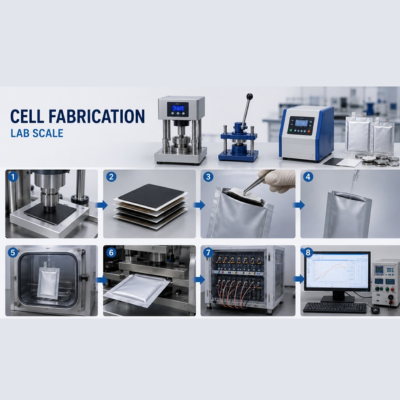
Cell Fabrication
Coin cell fabrication enables rapid evaluation of battery materials and cell performance. Assembly is performed in a controlled inert atmosphere to ensure reliability. The process supports research, prototyping, and electrochemical testing activities. High-quality cell construction delivers accurate and reproducible test results.

Formation Process
The formation process is a critical step in battery manufacturing that activates cell performance and establishes stable electrode interfaces. Sparkolt evaluates formation protocols, initial cycling behavior, and efficiency to optimize cell stability, reliability, and long-term performance. Our studies support process development, scale-up, and manufacturing readiness.

Pilot Line
Sparkolt supports pilot-line operations by validating battery manufacturing processes under production-relevant conditions. We help optimize process parameters, improve reproducibility, and identify scale-up challenges. Our pilot-line expertise enables a smoother transition from laboratory research to reliable and efficient industrial manufacturing.
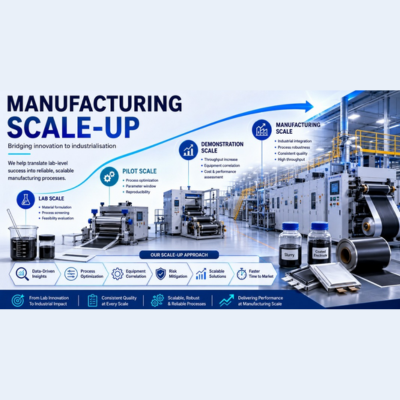
Manufacturing Scale-Up
We help manufacturing companies improve efficiency, automate workflows and scale production with modern technology solutions.
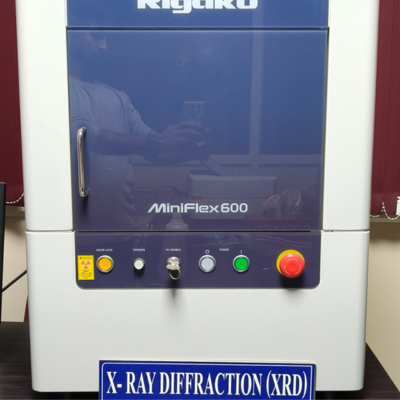
XRD
XRD analysis is used to identify crystalline phases and evaluate the structural properties of battery materials. It supports the characterization of compounds containing Li, Ni, Co, Mn, Fe, Al, Ti, Cu, Si, and P, helping to verify phase purity, crystallinity, and material consistency. This enables reliable material development and quality control.
XRF
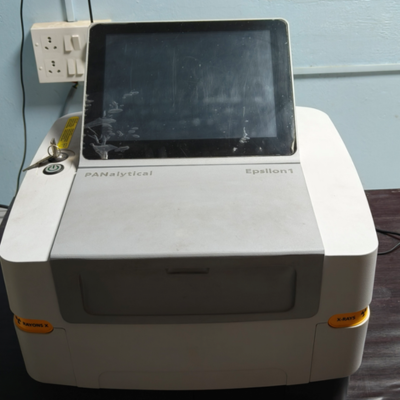
XRF analysis provides rapid and non-destructive elemental characterization of battery materials. Key elements including Ni, Co, Mn, Fe, Al, Cu, Si, P, S, Ca, and Mg are analyzed to verify composition, monitor impurities, and ensure material consistency. This supports quality control and performance optimization throughout battery development and manufacturing.
SEM
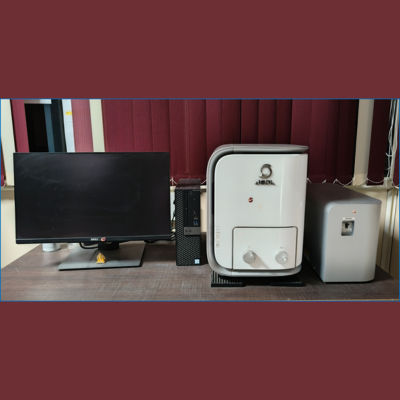
SEM analysis provides high-resolution imaging enabling detailed evaluation of particle morphology, surface characteristics, agglomeration, porosity, and electrode microstructure for battery material development and quality assurance.
PSD
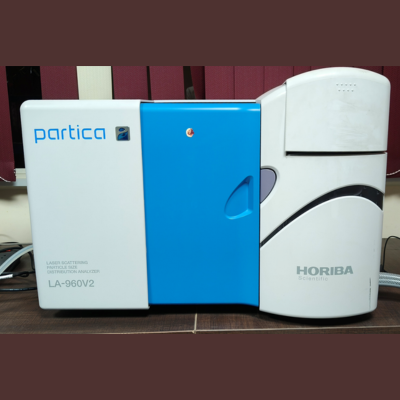
PSD analysis measures the particle size distribution, D10, D50, and D90 values of battery materials to assess particle uniformity and flow characteristics. The results help optimize material processing, electrode manufacturing, and electrochemical performance while ensuring consistent product quality.
BET
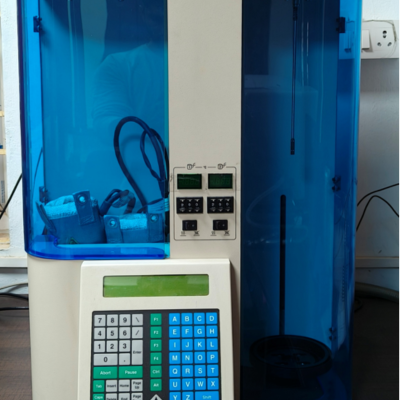
BET analysis measures the specific surface area, pore volume, and pore size distribution of battery materials. These parameters help assess material porosity, surface characteristics, and electrolyte accessibility. The results support material optimization, quality control, and improved battery performance.
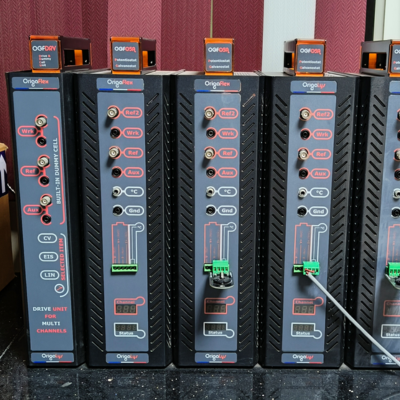
Electrochemical Characterization
Evaluate battery performance through charge-discharge cycling, rate capability, cyclic voltammetry (CV), and electrochemical impedance spectroscopy (EIS). These analyses provide insights into capacity, efficiency, kinetics, and long-term stability.
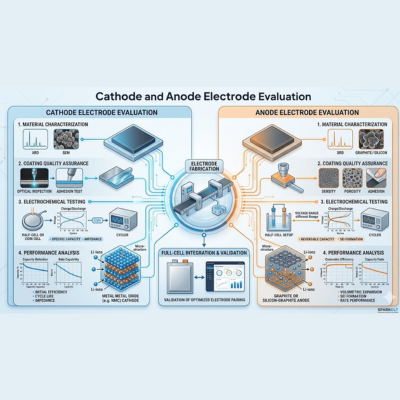
Electrode Evaluation
The evaluation for lithium-ion batteries through electrochemical testing and material characterization. Performance parameters, including capacity, cycle life, rate capability, and impedance are analysed. The study supports material optimization and validation for advanced battery development.
Coin Cell Testing
Coin cell testing evaluates the electrochemical performance of battery materials and components.Key parameters such as capacity, cycle life, and efficiency are measured and analyzed.The testing process supports material screening, research, and product development.Reliable test data enables informed decisions for battery optimization and validation.
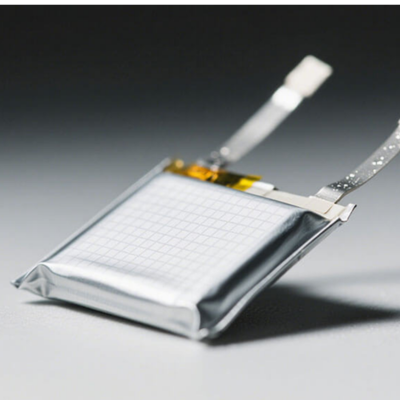
Pouch Cell Validation
Pouch cell validation assesses the performance, safety, and reliability of battery designs. Testing is conducted under controlled conditions to evaluate real-world operating behavior. Key parameters such as capacity, cycle life, and efficiency are systematically analyzed. The process supports technology validation, product development, and scale-up activities.
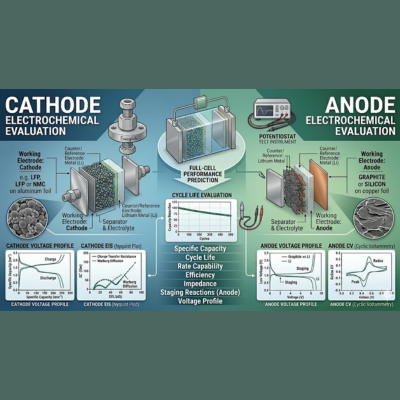
Electrochemical Evaluation
Comprehensive electrochemical testing is conducted to assess battery performance, efficiency, and durability. Charge-discharge cycling, cyclic voltammetry, and impedance analysis provide insights into capacity, rate capability, and cell stability. These evaluations support material optimization and battery development for advanced energy storage applications.
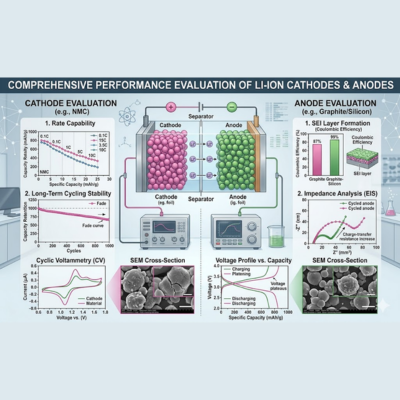
Performance Evaluation
Comprehensive electrochemical testing is conducted to evaluate lithium-ion battery performance, efficiency, and durability. Charge-discharge cycling, rate capability, cyclic voltammetry, and impedance analysis provide critical insights into cell behavior. These evaluations help optimize material selection, cell design, and operating conditions. The results support the development of reliable, high-performance energy storage systems.
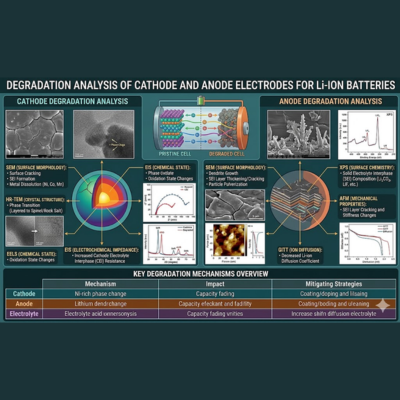
Degradation Analysis
The degradation analysis of lithium-ion battery cathode and anode materials to identify performance loss mechanisms and improve cell reliability. Our evaluation includes structural, morphological, and electrochemical investigations to understand capacity fading, impedance growth, and material degradation during battery cycling.
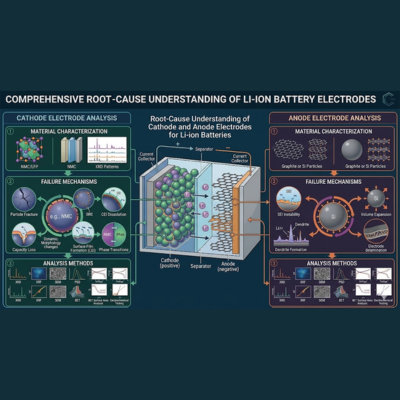
Root-Cause Understanding
Sparkolt provides root-cause understanding studies for battery electrodes to identify the factors affecting electrochemical performance, durability, and manufacturability. Through detailed analysis of electrode composition, microstructure, coating quality, porosity, adhesion, and electrochemical behavior, we investigate performance limitations and degradation mechanisms.
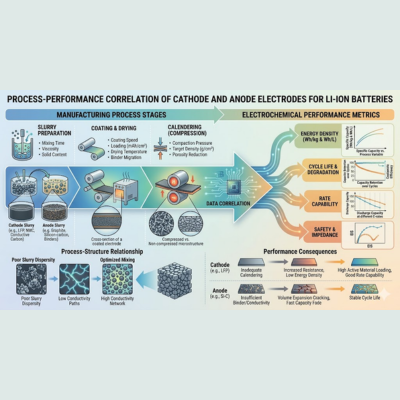
Process-Performance Correlation
Process–performance correlation studies help understand how electrode manufacturing parameters affect lithium-ion battery performance. Key factors such as slurry quality, coating uniformity, drying, and calendering are linked to electrochemical results. This analysis enables process optimization, improved cell performance, and enhanced manufacturing consistency. The outcome is more reliable, efficient, and durable battery electrodes.